

I was lucky enough to see 89 of the new 2023 releases before the end of the year. The following ranking is mainly based on how much I enjoyed each film, rather than focusing on technical aspects, but of course, these aspects still did impact my viewing experience and thus each film’s place in the ranking. The whole list can be seen here, which I will continue to update as I catch up in the new year on some of the releases I missed, or as I re-watch some films and rearrange the ranking. Some I missed (as of this post) include Priscilla, Monster, Dream Scenario, Beyond Utopia, Fallen Leaves, All of Us Strangers, and Showing Up. For now, here are my top 20 films of 2023, as of January 1, 2024.
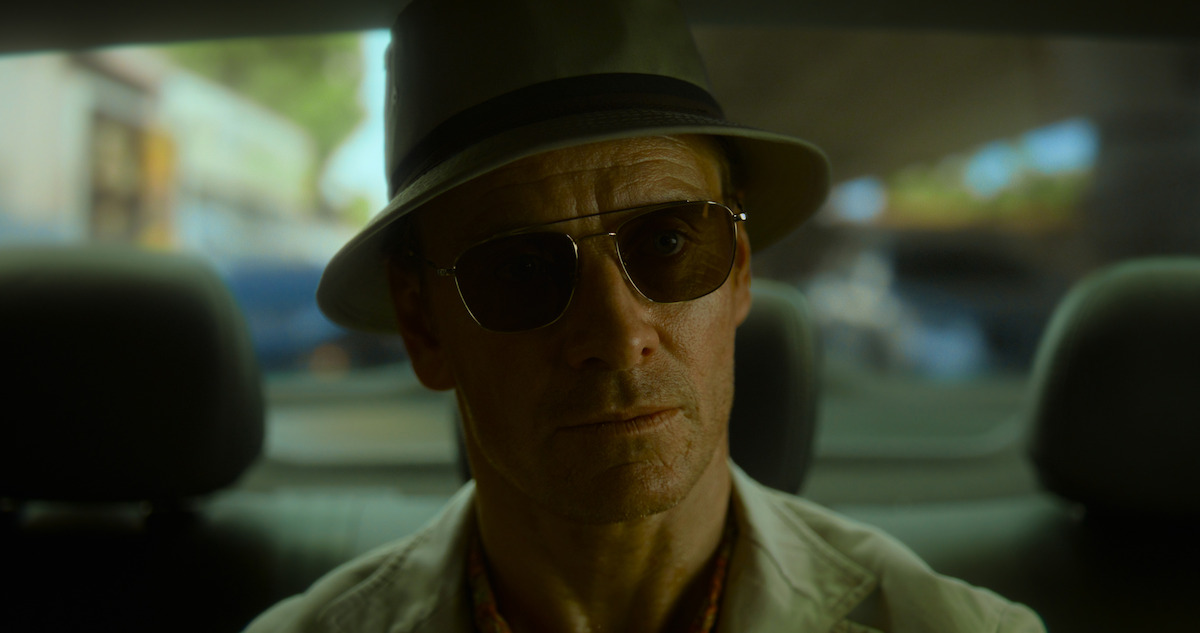
20. The Killer (dir. David Fincher)
With a common trend this year seeming to be established directors creating works that are very personal and self-reflective, Fincher’s The Killer follows a perfectionist hit man after one of his assignments goes wrong. Grappling with the fact that the world is out of his control, while also containing some quite dark and humorous digs at the state of our own world where commodities are everything, The Killer strayed far from what I expected from Fincher, but turned out to be one of my favourites of this year seemingly because of that.
19. Rye Lane (dir. Raine Allen-Miller)
Rye Lane is a wonderful return to the rom-com that the modern generation needed, following Dom and Yas as they explore their separate pasts and question a possible future together. With modern jokes, gorgeous colours, and a strong chemistry between its two leads from the moment the film begins, Rye Lane is an exciting beginning to a new generation of romantic-comedy films, about 20-somethings trying to find meaning and love in a new and modern world. Rye Lane offers viewers an escape to South London, filled with humour, gorgeous colours, and an altogether heart-warming story of Black joy and friendship.
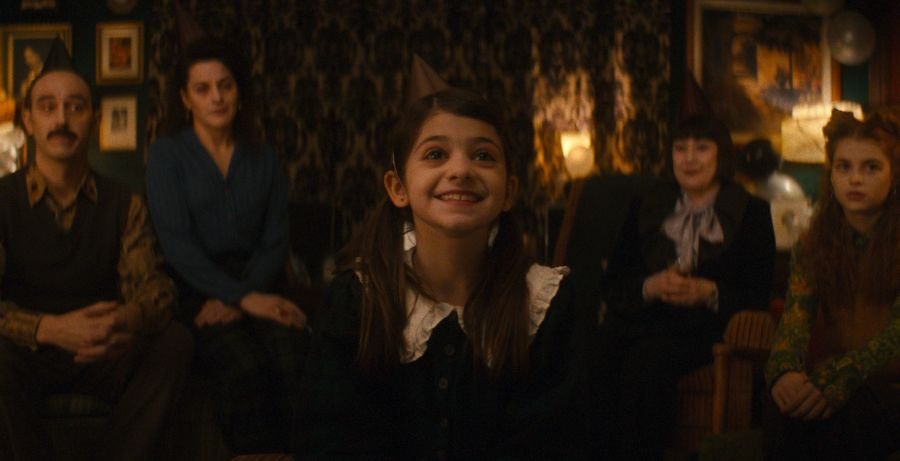
18. Humanist Vampire Seeking Consenting Suicidal Person (dir. Ariane Louis-Seize)
If the title of this film wasnt intriguing enough, then let it be said that Canadian director Ariane Louis-Seize uses her mastery of the short-film to open her first feature, hooking viewers within seconds. Following a young vampire who refuses to kill for food, she seeks, as the title suggests, a consenting suicidal person to provide her with the blood she needs. A delicious and fresh take on the coming-of-age story will surprisingly leave viewers on the edge of their seats, while also pining for a different outcome for the leads than the title suggests.
17. Infinity Pool (dir. Brandon Cronenberg)
Infinity Pool is one of the most compelling reflections on nepotism in moden day Hollywood that we have today, from one of film’s biggest behind-the-camera nepo baby’s. On the surface, the film follows James and Em, who after committing a crime in a foreign country are taken on a whirlwind ride alongside other rich, western tourists, exploiting the rules of this country and facing the dark world taking part in it’s exploitation. Below the surface is a deep exploration of who Brandon Cronenberg is in the industry, with his father being so influential and many of his opportunities so clearly offered to him because of this.
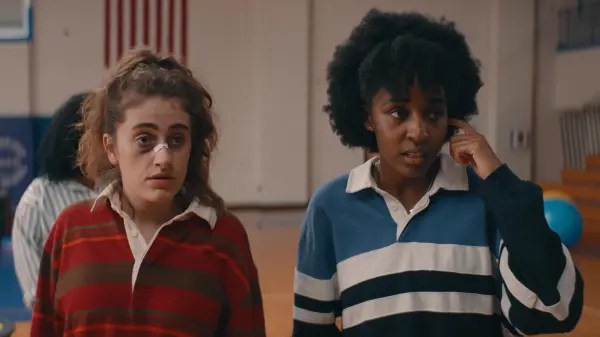
16. Bottoms (dir. Emma Seligman)
If there is any director today that really seems to *get* gen-z, its Emma Seligman. Co-written with star Rachel Sennott, Seligman’s Bottoms follows PJ and Josie, as they chase a lie and start a fight club with one goal: to empower the women at their high school. Actually no, who are we kidding, its so they can have sex with hot cheerleaders. With stellar performances by Rachel Sennott and Ayo Edebiri, as well as a complete understanding on the filmmaker’s part about where this film stands in it’s embrace of “the gritty” and its understated commentary on the state of feminism today, Bottoms is sure to become a classic in the genre of coming-of-age teen comedies.


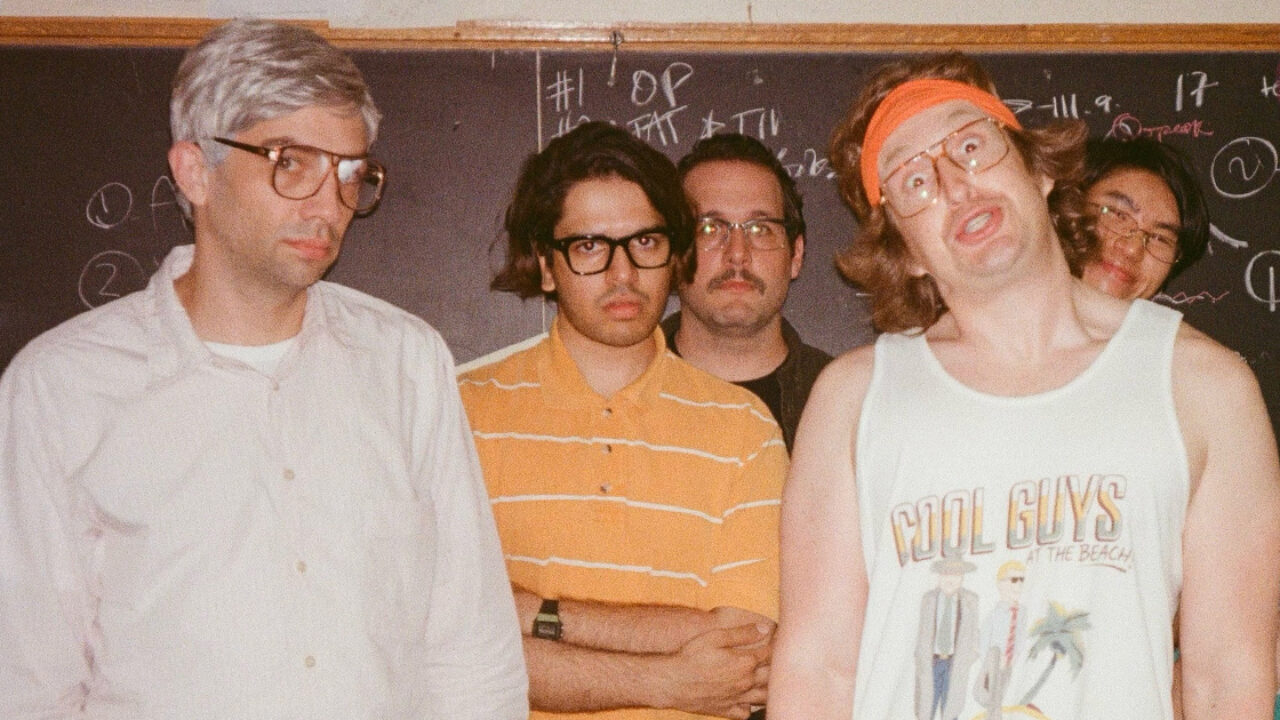
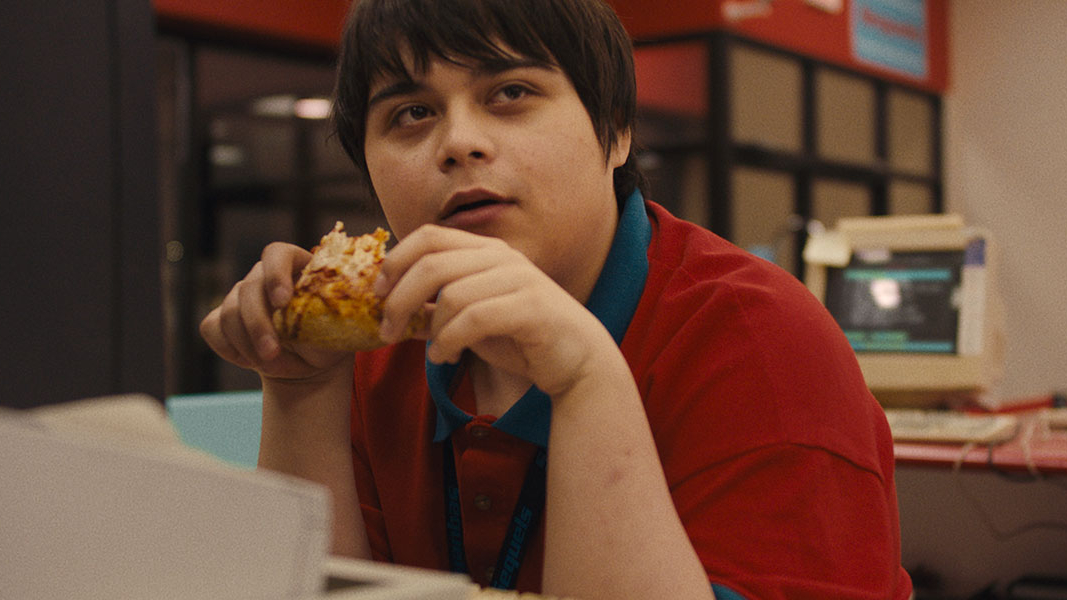
15. I Like Movies (dir. Chandler Levack)
If Seligman *gets* gen-z, then director Chandler Levack *gets* what its like to be an insufferable cinephile growing up in high school in the greater Toronto area. I Like Movies follows 17-year-old Lawrence, a cinephile from Burlington, Ontario, who struggles in his final year of high school in 2003 to decide what his future will bring, as he starts a job at a video store. The heart-felt coming of age story at the heart of the film, accompanied by a standout performance from lead actor Isaiah Lehtinen and the uber-specific jokes about going to school in Guelph and being a Canadian filmmaker make the film an immediate Canadian classic in the realm of comedy, and the world of film as a whole.
14. BlackBerry (dir. Matt Johnson)
The third Canadian film on this list tells the story of the rise and fall of BlackBerry, and the men behind it’s successes and failures. In a year inundated with the biopic, BlackBerry stands out in its unique cinematography, True North Canadian pride, and stellar performances, from its humble beginnings in Waterloo, Canada, to BlackBerry’s reign as the only name in the smartphone game, and all the way to its downfall and becoming “the phone that people had before the iPhone”.
13. Barbie (dir. Greta Gerwig)
Barbie was easily my most anticipated film of the year. This unique film follows Margot Robbie’s “stereotypical Barbie” as she leaves Barbieland in search of her old owner and her life’s meaning after being struck with thoughts of death, which shouldn’t happen in Barbieland! The marketing of this film was pure genius, embracing the upswing in girls and women embracing their femininity – and the colour pink – while also holding back so much of the plot (ie. the whole Ken part) from viewers until they sat down in theatres to watch the film. If I think about this film too much a lot unfortunately falls apart, but this is not enough to ever take away from the pure joy I felt sitting down to watch this for the first time in July, struck by Gerwig’s ability to portray her complete understanding of what its like to be a woman in the modern world. Even if that woman is Margot’s Barbie!
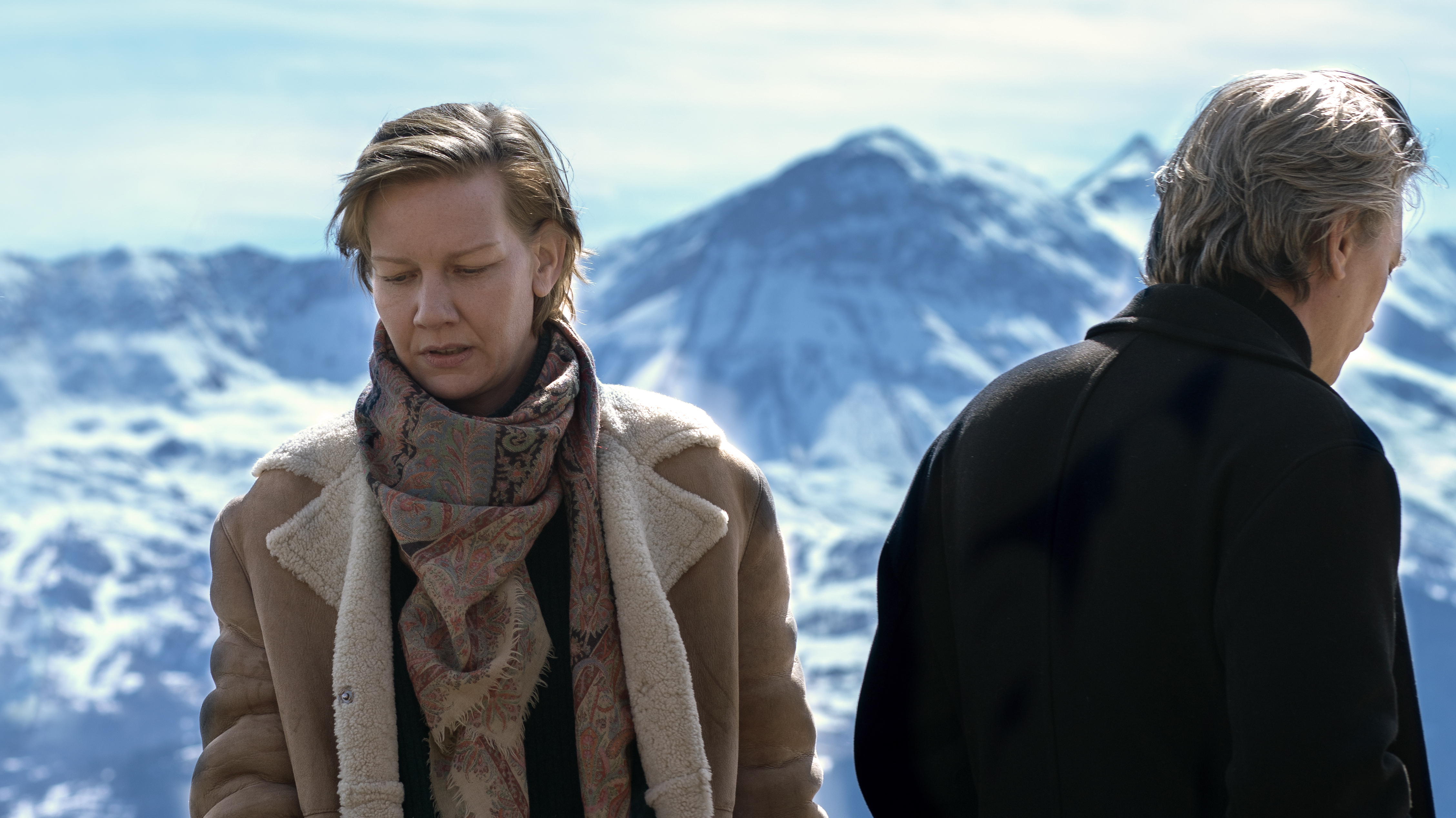
12. Anatomy of a Fall (dir. Justine Triet)
Anatomy of a Fall is long, and forces viewers to examine their own pasts to decide what they really believe from the characters in this film. The film is largely a court-room drama, following the fall of a man off his roof and the trial of his wife who is suspected of pushing him. The standout performance is clearly Sanrda Hüller as the wife Sandra, but the performance from the young Milo Machado Graner, who plays their son facing a moral dilemma as he learns about his parent’s relationship is jaw-dropping. The film never spells anything out for its viewers, but leaves much up to their own interpretation of events, interpretations which will be heavily influenced by their own personal views and experiences, and highlights the hidden lives within marriages and what happens when these personal histories are broadcast to outsiders to be judged.
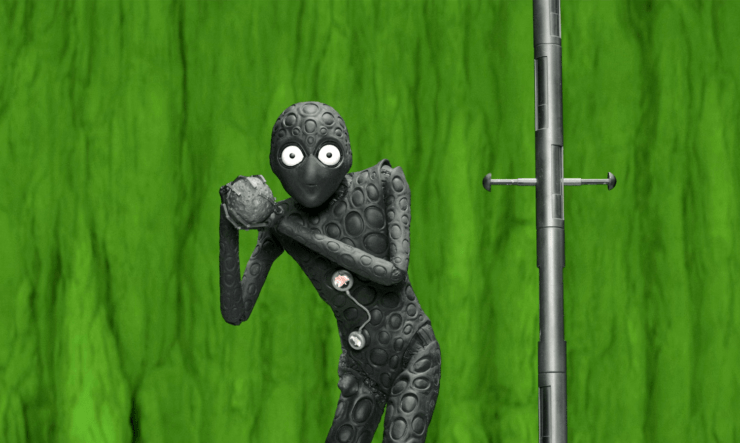
11. Asteroid City (dir. Wes Anderson)
While many disliked Wes Anderson’s latest, Asteroid City has quickly become on of my favourites from the director. The film depicts a documentary about the behind-the-scenes of a fictional stage play called Asteroid City, while also showing the play itself. Exploring grief, love, and loss, and how art and film help those involved work through their own personal grief, Anderson follows in Fincher’s footsteps, creating a very self-reflective film. With a very specific look to his films, Anderson seems to embrace his own “Anderson-ist aesthetic” more than ever while also exploring how this artifice has both held him back and allowed him to work through his own history and experiences behind the camera in a way that is often written off by viewers as being merely for visual pleasure. I can’t say I completely understand this film, but for that reason I love it all the more.

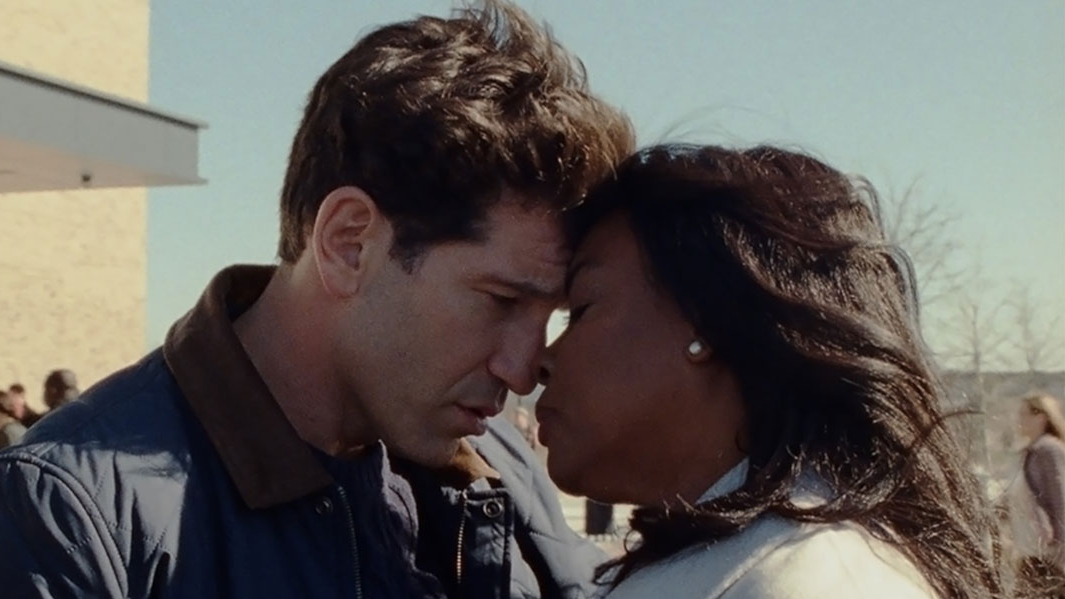
10. Origin (dir. Ava DuVernay)
Ava DuVernay’s latest proves why she is one of the most influential directors of our time. Origin is a narrative adaptation of Isabel Wilkerson’s non-fiction book Caste: The Origins of our Discontents, and tells the story of the author herself as she travelled the world to learn about caste and write her book. DuVernay uniquely adapts this book, rather than making an educational docu-series to teach viewers about caste, she finds the narrative through line in the story, adding a dramatic tone to the novel while still presenting the main points the book is making about caste. This gives viewers a taste of Wilkerson’s thesis in an accessible way, leading them to the book as they seek more information.
9. The Iron Claw (dir. Sean Durkin)
Zac Efron proved his chops as a serious dramatic actor alongside Jeremy Allen White and Harris Dickinson in The Iron Claw, a biographical sports drama telling the story of the Von Erich family of professional wrestlers. Rather than simply giving a timeline of the events in the family’s lives, Durkin’s approach still tells their story but with a more specific focus on the “Von Erich curse” and it’s implications on Kevin and his relationship as he believes it to be real. The film is devastating, but eye opening especially surrounding the expectations placed on men, and what is means to be a successful man in sport, and in the world in general.
8. American Fiction (dir. Cord Jefferson)
Winner of the TIFF people’s choice is Succession’s Cord Jefferson’s feature film debut. American Fiction follows Monk Ellison, played by Jefferey Wright, who attempts to pull his career as a writer out of the grave by writing a book that is “more black”. In an attempt to write a satirical novel and expose hypocrisies in the publishing world and what readers want to read, he accidentally finds immediate success and must grapple with what this means for him as a writer and his place in the future of entertainment, in a film with an ending that critiques every single person watching the film. Wright is hilarious in the film, with one of the strongest screenplays of the year that never lacks its heartfelt and thought-provoking moments between the laughs.
7. How to Blow Up a Pipeline (dir. Daniel Goldhaber)
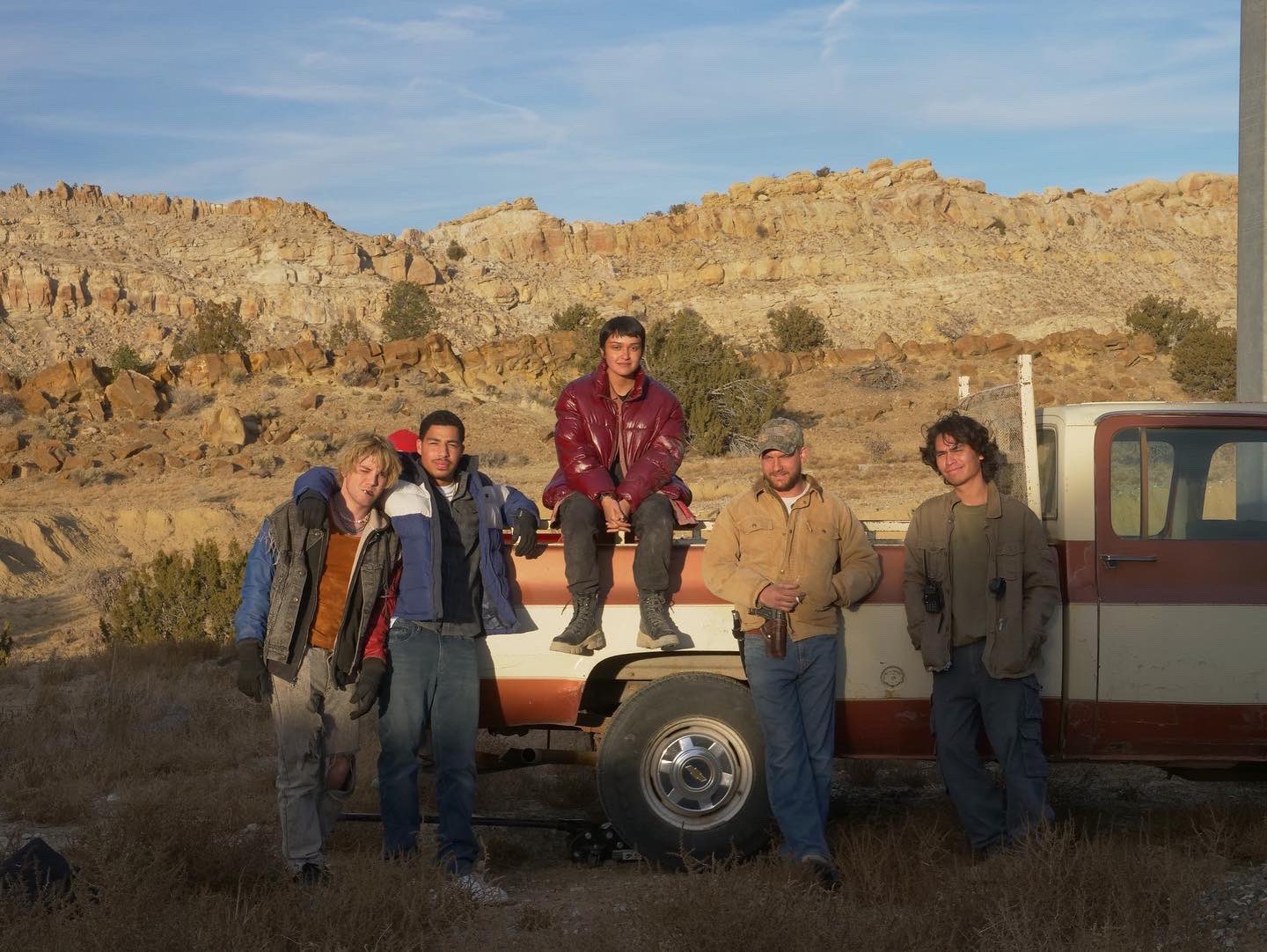
Based on the non-fiction book of the same title, How to Blow Up a Pipeline is a narrative film that follows a group of extreme young environmental activists whose next goal is to blow up an oil pipeline. The author of the book argues that the only logical way forward in the current climate crisis is using sabotage as a form of climate activism, and Goldhaber’s film imagines what this sabotage would look like were it to be performed by a real group of people, bringing to life the question of the place of this form of activism in the climate movement. The cinematography heightens the stakes of the film, while the ultra talented young ensemble cast each performs as distinct and eccentric stranger of the group, all determined in their climate action.
6. The Holdovers (dir. Alexander Payne)
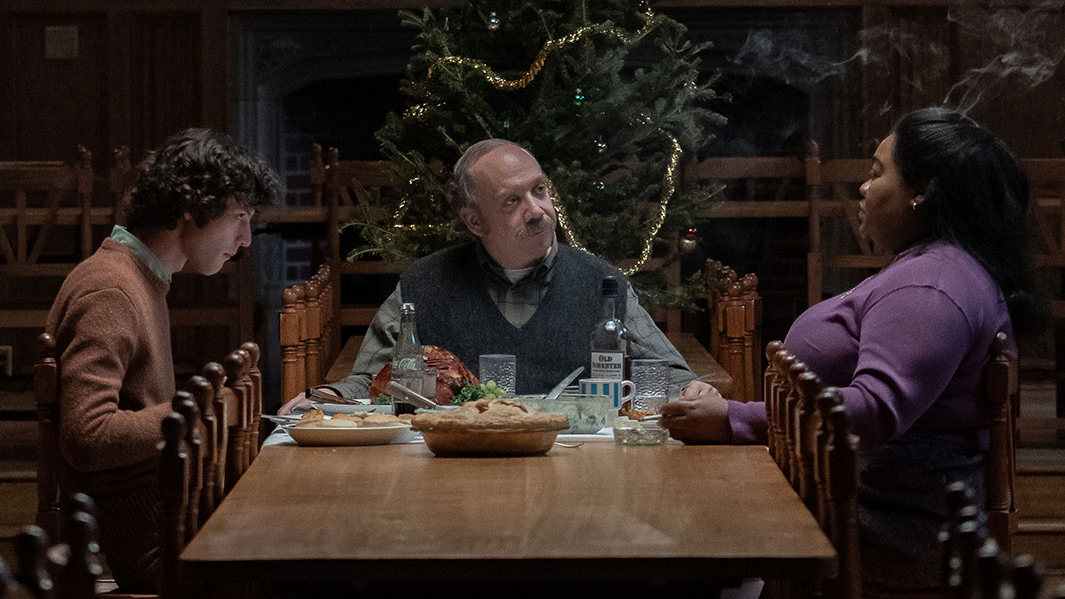
If Dead Poets Society (1989) is the dark-academia bawl-your-eyes-out fall classic, then The Holdovers is sure to become its feel-good Christmas counterpart. Set in a prep school in North Eastern USA, Paul Giamatti brings to life the curmudgeonly Paul Hunham, an instructor tasked with the job of remaining at the school over Christmas holidays to stay with the kids who are “holding over” and cannot return home for the break. Among them is Angus, a troubled yet deeply misunderstood student, as well as Mary Lamb, the head cook at the school who recently lost her son. As revelations come out about their pasts, through events they would not have been allowed to partake in had they not been holding over together, their past personas are shed for a new idea each holds about the other that impacts both their pasts and futures. The performances really bring this film home, with chemistry oozing out of this film in all directions, and a surprisingly funny screenplay that never dwells on any aspect of the jam-packed runtime.


5. Oppenheimer (dir. Christopher Nolan)
Part 2 of the Barbenheimer craze and my 5th favourite film of 2023 is Christopher Nolan’s Oppenheimer, a decades spanning character study of J. Robert Oppenheimer, the father of the atomic bomb. It was clear from the start that a film about the man who created the atomic bomb would be a difficult watch, but Nolan’s approach to telling this man’s story, focussing on the dangers of lacking the ability to make decisions in an attempt to avoid the repercussions of these decisions tied the many moving parts of this film together perfectly. At one point, this film literally seems to become a horror movie, and while Oppenheimer is never presented as precisely a hero or a villain, it is obvious that no one will be able to leave the theatre thinking about anything but the horrors the world is now capable of because of this single, spineless man.
4. The Zone of Interest (dir. Jonathan Glazer)
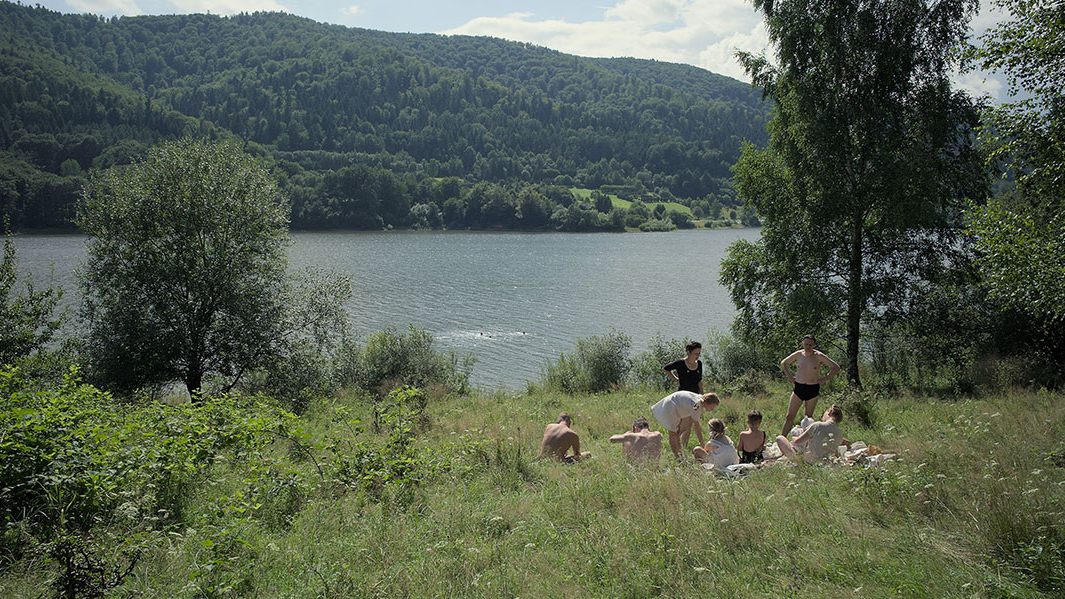
If Oppenheimer takes a look back at the invention of one of the most dangerous weapons in human history from a new subjective lens, then The Zone of Interest reflects on one of the most devastating genocides in human history from a new perspective: the Nazi one. The Zone of Interest follows the daily lives of a Nazi family living next to Auschwitz concentration camp, and places viewers in the “normalcy” of this family’s lives. Through a brilliant use of sound and shot composition, cracks form in this perceived normalcy of the Höss family almost immediately from the viewer’s point-of-view, as Glazer trusts his audience to understand and know what is occurring behind the walls surrounding this family home. This forms the base of what becomes a truly terrifying look at World War II, and a question of how we know what evil truly is. This continued and exaggerated normalcy continues throughout the film to beg the question, do these people, the family living beside the camp, even know that what they are doing is evil, or do they, like so many others, simply believe it is right because their party tells them it is.
3. May December (dir. Todd Haynes)
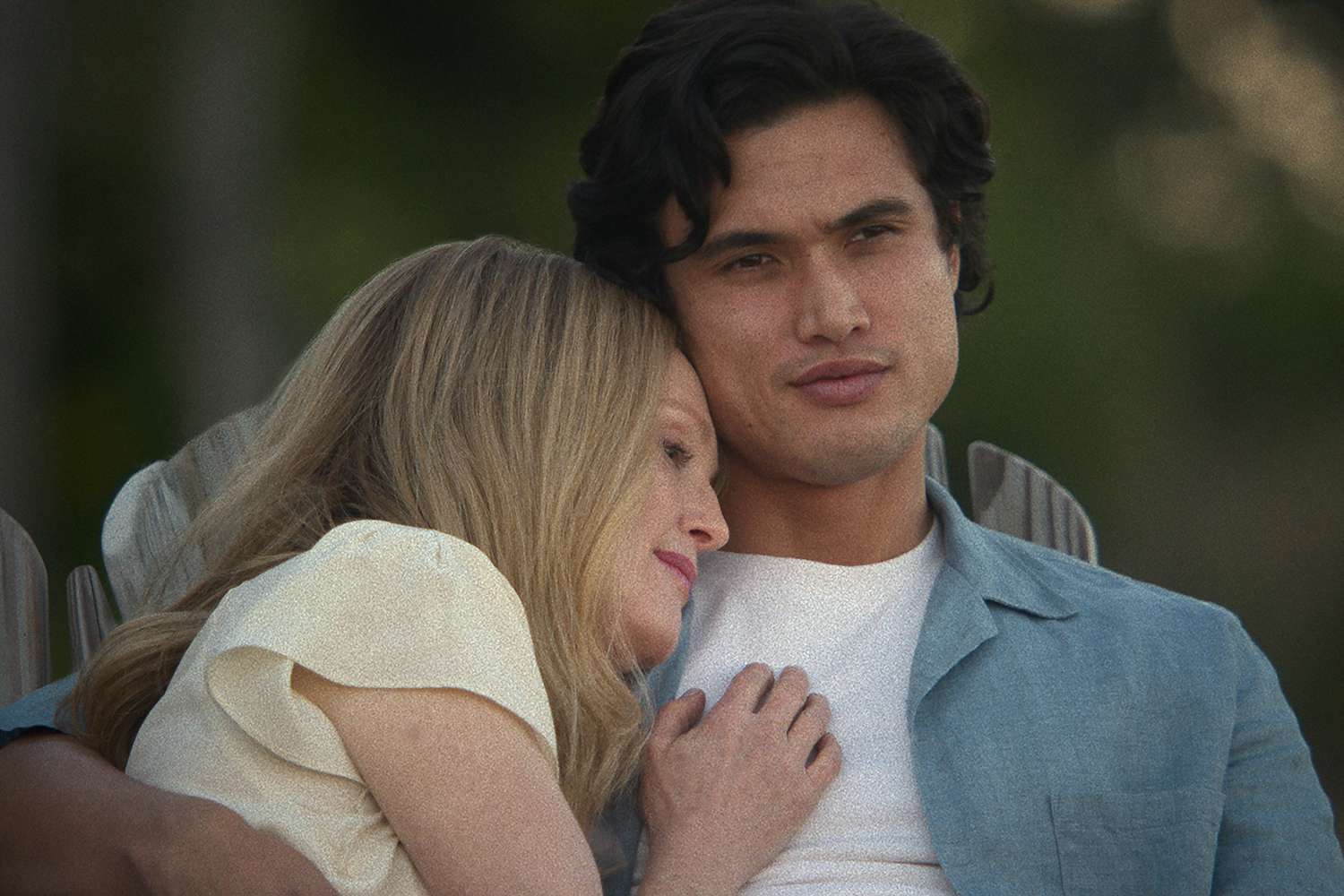
Todd Haynes’ latest, May December follows fictional actress Elizabeth, as she spends a week with couple Gracie and Joe before she is set to begin playing Gracie in a new film about their lives. Because 20 years earlier, Gracie was in her 30’s and Joe was in 7th grade, and Joe was groomed by Gracie. This film is a striking look at the genre of true crime, and acts as a modern critique of what we as viewers look for in these stories. How we relish in the sensational with little to no regard for the true impacts these events have on those like Joe. Depicting Natalie Portman’s Elizabeth dedicating time and studio money to getting to know Julianne Moore’s Gracie, the predator in this story, while Charles Melton’s Joe, the real centre of the story and man whose life this “sensational story” has always been is no where to be found. This is a difficult watch, but with its nuanced critique paired with one of the year’s best breakthrough and most devastating performances from Riverdale’s Charles Melton, this is one of 2023’s best.
2. Poor Things (dir. Yorgos Lanthimos)
Lanthimos clearly loves to explore being human, how humans relate to one another, and all the messed up little corners that come with our humanity. His latest, Poor Things, takes a surprisingly optimistic twist on his usual work, following Bella Baxter, brought back to life by a scientist, as she rediscovers the world around her. Star Emma Stone, who magnificently and wholeheartedly commands the character of Bella, described this film as a rom-com. But instead of Bella falling in love with a man or woman, she is falling in love with life itself. This is a truly special film, and easily one of the best of the year. Even now, weeks after my first watch, I still find myself every day thinking about Bella, and trying to look at the world through the lens which she would. Without every portraying Bella as a threat to society, Lanthimos, Stone, and writer Tony McNamara give us this strong woman on a search for liberation, freedom, and true understanding, while showing the importance of being exposed to both the good and the horrific. They truly created one of the most important characters of the year for all viewers to see and experience, telling her story free of judgement and full of love.


An interlude and note before number 1: Last year, I saw Aftersun at TIFF and immediately knew it would hold the top spot on my list of favourites. No hesitation. This year, there was a LOT more movement in this top spot. The Zone of Interest and Oppenheimer were flip-flopped around in those top two spots for a while, as well as Poor Things, May December, and surprisingly even Bottoms. In the end and still unsure (as I truly loved and was impacted by so many films this year), I thought about what film stuck with me the most, and this made my decision almost instantaneous. There isn’t a day that goes by that I don’t think about this film, and once that realization sunk in, there was no other film that would be able to hold this top spot. And the top film is…
1. Killers of the Flower Moon (dir. Martin Scorsese)
Scorsese’s latest, Killers of the Flower Moon, is a 3.5 hour historical epic that tells the true events of the “Reign of Terror”, where in 1920’s Oklahoma a series of murders were committed against Osage people for years after oil was discovered in the Osage nation, in an attempt by outsiders to steal their oil and the money that came with it. In this sprawling history, the film centres in on Leonardo DiCaprio’s Ernest Burkhart and Robert De Niro’s William King Hale, uncle and nephew who were co-conspirators behind the murders and two of the key white men carrying out these atrocities. Alongside them is Lily Gladstone’s Mollie Kyle, an Osage woman whose family owns oil head-rights, who marries Ernest and whose family soon becomes a victim of the very men she now calls family. While DiCaprio and De Niro give arguably some of the best performances of their careers, Gladstone’s Mollie is the heart of this film. Her heartbreak, loss, and the betrayal she experienced are present at every corner of this film, and despite the story centring more around the white men than her, Gladstone fully commands the entire film. While some critique Killers of the Flower Moon for its focus on Ernest and King rather than Mollie and her family, I commend Scorsese for recognizing that Mollie’s is not his story to tell, and having a true understanding of his own place in filmmaking and storytelling made clear in the film’s unique ending. Instead, Scorsese uses his influence and mastery of his craft to tell this story, so that hopefully one day, as Gladstone said, an Osage filmmaker can be offered Scorsese money to make Mollie’s film. In a film this long and large there is not a single shot wasted, as every single frame has a clear and defined purpose, and its length is both earned and warranted. Killers of the Flower Moon is tragic and triumphant. It is truly devastating and full of greed and the impacts of it, yet I left theatre and to this day continue to think so much about love, and how we should all be trying to fill the world with more compassion as we build our future together.

Finally, to end it all off, two final bonuses:
1. My least favourite movie of the year? You People, directed by Kenya Barris, starring Jonah Hill and Eddie Murphy.
2. And my favourite TV show? Succession! Congratulations to the Roy’s.
 After Screening Cinema