
How to Blow Up a Pipeline is the latest heist-thriller to hit theatres. But this time, its not money, fortune, or status on the line. The stakes are much higher, as this time the fight is for the future of the world. The film tells a fictional story of a group of people joining together to blow up an oil pipeline in the name of climate activism. Based on the 2021 non-fiction book of the same title, author Andreas Malm argues that the only logical way forward in the current climate crisis is using sabotage as a form of climate activism, and criticizes pacifism within the climate movement as illogical means towards change for the future. The 2023 film, directed by Daniel Goldhaber, imagines what this sabotage would look like were it to be performed by a real group of people, bringing to life the question of the place of this form of activism in the climate movement. With a tight screenplay and a stellar ensemble cast, How to Blow Up a Pipeline‘s real life high stakes action is sure to go down as staple in the repertoire of this generation’s defining films.
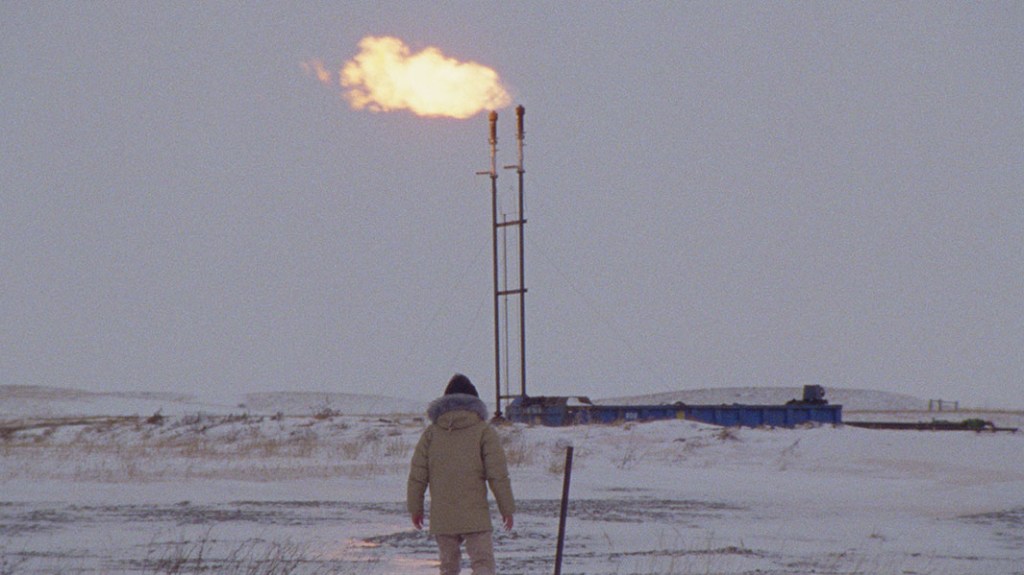
The film wastes no time getting to know the characters, jumping instead right into the action of the team’s mission: to blow up a pipeline. The high stakes call for this thrusting of the viewer directly into the titular action of the film, the day before the blowing up of the pipeline. As viewers spend 24 hours with the group carrying out their plan, flashbacks are used in line with the plot of the pipeline mission, to efficiently introduce each character and their unique motivations. Never missing a beat, the editing between timelines, injecting the past into all the exact moments of the present when further context is needed brilliantly works to keep viewer’s guessing not only about the pipeline mission, but also the complex motivations behind each unknown character, making more relatable their extreme actions in the climate movement.
The cinematography heightens the stakes of the film, utilizing close shots of characters on their mission perfectly in conjunction with breathtakingly minimal extreme long shots contextualizing every character’s movements. Capturing the barren yet prominent backgrounds surrounding each character from the moment they are each introduced, their pasts in line with the present shed light on their personal histories and stakes in their fight in such a subtle yet impossible to ignore way. The world of the film is barren and flat, with the odd extremity in the horizon made of industrial plants and factories burning smoke. This dreary atmosphere is uniquely the real world, recognizable to each viewer no matter where they are from, using the settings to heighten the stakes in their minimalist relatability. The title itself works to build tension throughout, in one sense foretelling the rising action of the film, but in another leaving viewers on the edge of their seats waiting for this titular moment. Who will be collateral in this tense journey to the climax? What will happen once this alluded to action has come and gone? Questions successfully posed and planted in viewers minds before they even reach the theatre.
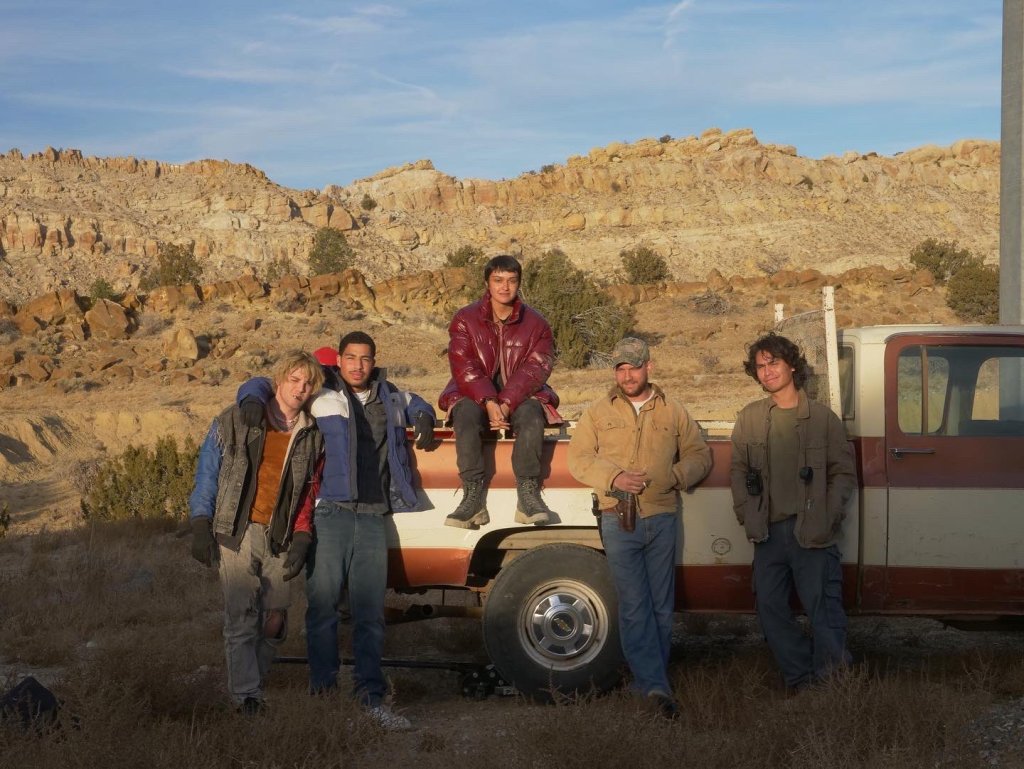
The film brings together an uber talented ensemble cast, each performing as distinct and eccentric strangers of the group determined in their climate action. Ariela Barer shines as Xochitl, playing the brains behind their plan of sabotage as climate activism. Barer carries the film forward as Xochitl recruits the other five members of the group, while struggling personally following the loss of her mother. Similarly, Forrest Goodluck as Michael gives a stellar performance, playing the Indigenous son struggling in his hometown as outsiders from the city move to his hometown for jobs in the oil industry, taking away their community resources and opportunities. The rest of the ensemble cast, comprised of Kristine Froseth, Lukas Gage, Sasha Lane, Jayme Lawson, Jake Weary, and Marcus Scribner all give powerful performances, relaying extreme yet relatable forms of people we all know, or can relate to, in the world of climate activism. Each performer so brilliantly taps into the more nuanced parts of their roles and character’s histories, making for an ensemble of characters in which almost every viewer will find someone to identify with.
Despite its title, How to Blow Up a Pipeline is not a guidebook to climate action or terrorism. Similarly, the book does not teach its readers how to make a bomb. Instead, both provide a critical commentary on the state of the world in 2023, with the film offering the story of one possible response to climate change and the state of climate activism today. Discussions on the fact that the act of blowing up a pipeline is a terrorist act are present in the film, as well as discussions on the differing ideas as to what makes for positive activism. But in the respectful way they are presented, no one idea is right or wrong. Rather, the film allows space for more extreme points of views on activism to be heard and demonstrated on screen without judgement, propelling these forms of activism into real world discussions on making change for the future. At times, the film comes off as slightly out of touch with the real on-the-ground work of extreme climate activists today, glossing over issues of the growing over policing of these groups. But the film is to be able to get away with this short-coming, acting more so as a starting point to prompt discussions in the general public about a new wave of activism, rather than too strongly siding with one group or the other. No one is a good guy in this eco-thriller full of anti-heroes, but the only true bad guys are those at the root of the climate crisis, ignoring all types of action, both pacifist and not. Novels and films are crucial to movements like these, and the creation of the collective imaginary of generations. Daniel Goldhaber’s 2023 epic thriller How to Blow Up a Pipeline opens the doors for the next generation of climate activists to new discussions on the future of the climate crisis, and activism as a whole.
How to Blow Up a Pipeline (2023) is out now in theatres across Canada.
 After Screening Cinema