
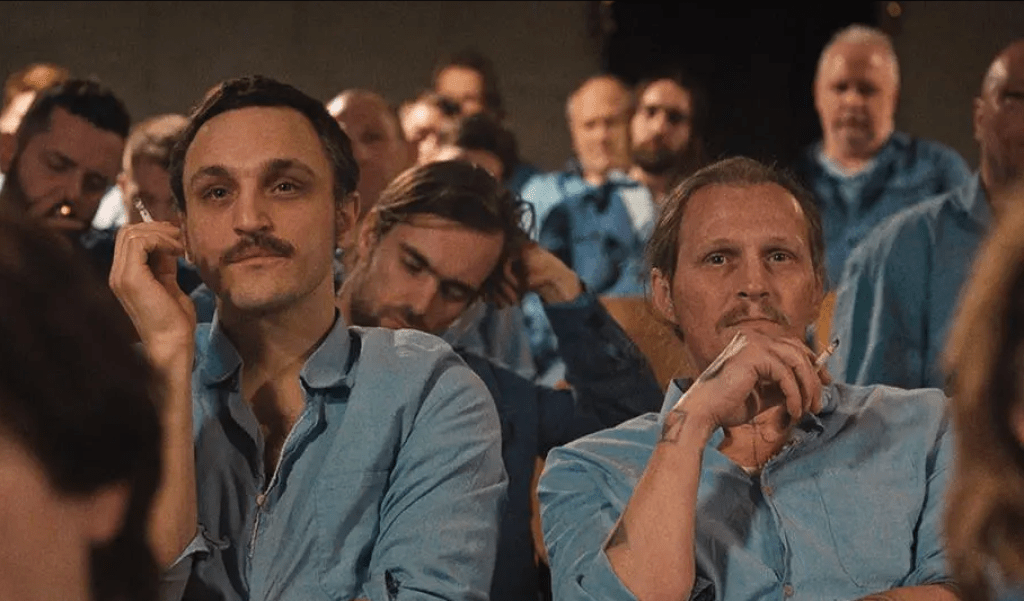
What if, for your whole life, you were told that who you are is wrong. That it is wrong for you to love the people you do. Now, what if you were told that this identity, who you truly are, is not just wrong, but illegal. This continues to be the real-life case for many people around the world to this very day who identify as queer. Great Freedom is a 2022 Austrian/German film from director Sebastian Meise that tackles this very subject in a historical context, post World War 2 Germany. The film follows a gay man, Hans, who is repeatedly arrested for being homosexual under paragraph 175 from 1945 until 1969. While Hans is a fictional character, paragraph 175 was a real-life provision of the German Criminal Code which criminalized homosexuality. The film has a non-linear narrative, moving between different times when Hans was arrested between these years. Through the repetitions and subtle changes in these repetitions of the multiple incarcerations of Hans, the film subtly yet beautifully highlights the power that comes from affection and intimacy, in one of the darkest times in human history, when all other hope seems lost.
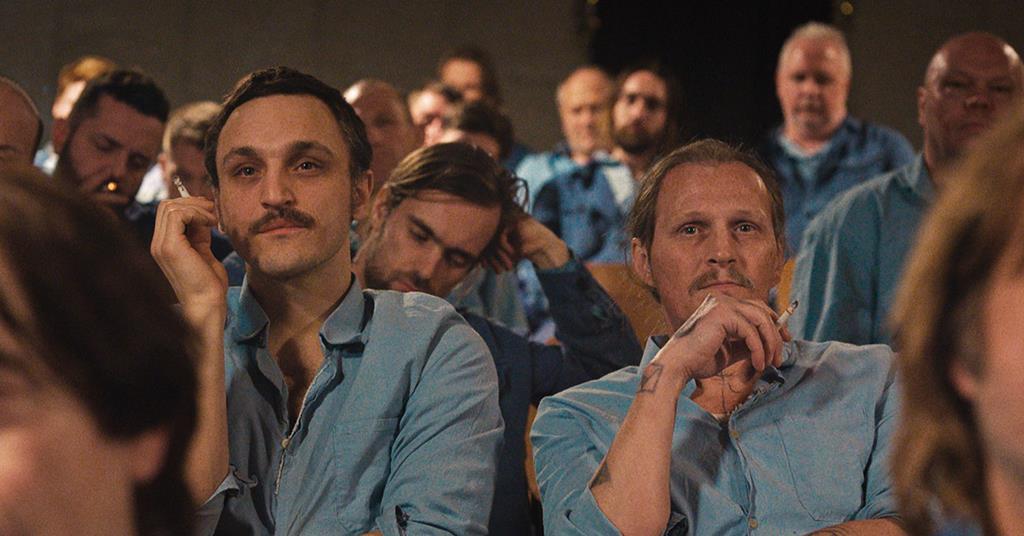
Beginning his imprisonment and the film at the end of World War 2, Hans is taken directly from a concentration camp, where he was imprisoned for being homosexual, to a men’s prison, imprisoned for the exact same reason. Hans comments at one point that he never got to the chance celebrate the end of the war and have a taste of the freedom garnered by this ending because, for him, this time simply marked the end of one imprisonment and the beginning of another. Growing up in Canada, there was not a history class that went by without a discussion on World War 2 and the horrors of this world-altering war, but it was not until just a few years ago when I learned that freedom at the end of the war did not mean freedom for all. For homosexual people, it meant no freedom until 1969, with the abolishment of paragraph 175. And still for some, it meant no freedom ever. This film added to this lesson, acting as a powerful reminder of these horrors that continued to impact certain groups of people, merely for how they identified and who they lived.
If this freedom, the promise of a life after prison in the world outside, was not guaranteed, those like Hans were forced to find freedom elsewhere. Whether that was spending the little time he had outside of prison between incarcerations with other men, regardless of the laws, or finding ways to be intimate and affectionate with others while within the prison, these means were found. As the world and its rulers kept trying to take away Hans’ agency in the world, it seemed to me like there was nothing they could do to ruin his human spirit and search for human connection. Even in the darkest points of his story, with the loss of loved ones and not knowing what would come next, at every turn Hans seemed to maintain his strong and unrelenting spirit, despite these constant attacks on his identity.
The film tends to feel a bit repetitive at the end of the second act and into the third, but I think this further adds to this feeling of the stifling impacts of these laws on the people affected. This punishment Hans, and countless others, faced under paragraph 175 for simply being who they were, was draining and horrible. The repetitive nature of the film then perfectly casts this very repetitive nature of the experiences faced by those repeatedly imprisoned from 1945-1969, living their short time between imprisonments in the free world loving who they truly do, but being punished as soon as they every truly lived in these free lives.
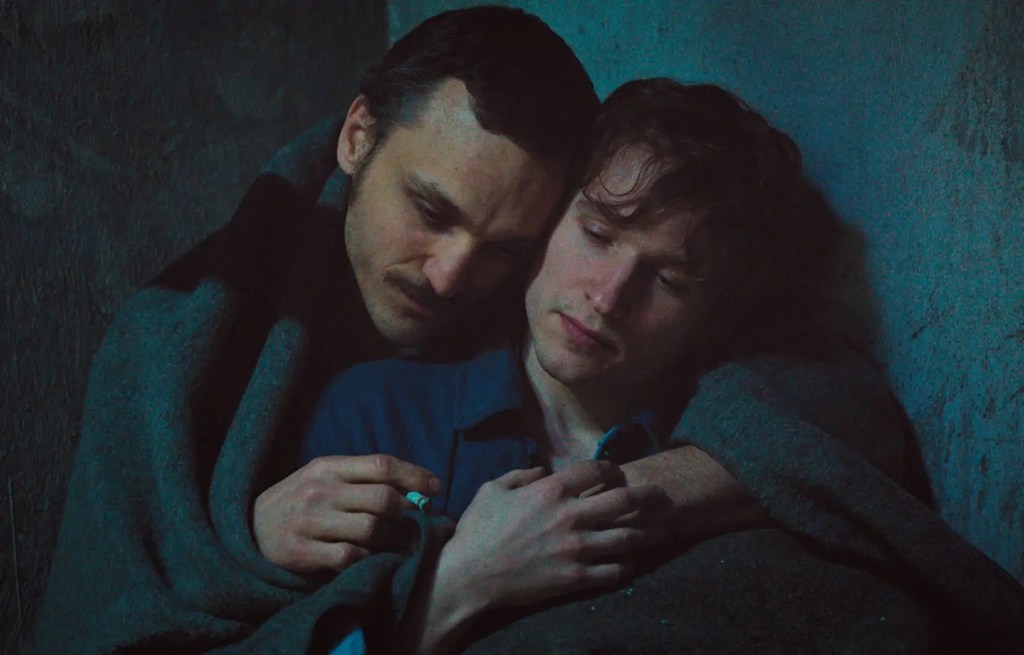
This film would not have had the impact it does without the amazing performance by Franz Rogowski as Hans. Giving such a beautiful performance as this man was torn to the ground countless times by codes and laws that targeted a person simply because of who they loved. He provides a beautiful range of emotions that include not only anger and despair, but also love, laughter, and a sense of humour that make his character feel all the more relatable and human.
The ending of the film is both devastating and beautiful. Without giving anything away, Great Freedom comes to us at the perfect time. New laws are passed almost every day around the world that effectively take away the rights of major groups of people, like women, people of colour, and the LGBTQ+ community. Similar to paragraph 175, we can say for certain that we will look back on these days and laws and wonder how something so terrible, like the removal of the rights of a person simply because of how they identify, was every passed into government criminal codes and laws. These very laws that seem to often misconstrue one’s identity for one’s character, are those that affect and target so many people around the world, including those like Hans. If Hans’ story is any lesson to all of us, it is that no one should be told their identity is wrong or against the law, and the importance of looking back on our histories as humans, not only ashamed of what we have allowed to happen, but to learn from to prevent the same mistakes from happening again.
Great Freedom (2022) is available to stream in Canada on Mubi.
 After Screening Cinema