
Women Talking (2022) is the latest film from Canadian actress-turned-director Sarah Polley. Based on the novel by Miriam Towes by the same title, the film follows a group of women over the course of one day and night as they decide whether they should stay or leave their isolated, religious colony following a string of violent sexual assaults on many of the women by the men of their colony. What makes this film so special to me is not only its empowering story about listening, understanding, and empathy, but the way it emphasizes the aftermath of violence, rather than the violence itself, and the lives of the victims that will never be the same.
*This review will contain spoilers for Women Talking (2022)*

The film Women Talking opens with a poll. There are three options, expressed to its voters not with words, but with pictures, representing three options: Do Nothing, Stay and Fight, or Leave the Colony. The mixed results are shared from the beginning of the film, and we are aware of the exact topic the women will be talking about throughout the film: to stay in the colony and fight, or to leave. We learn the poll comes following many years of violent sexual assaults that have taken place within the colony towards many of the children and women. With the results of the poll, the film follows the discussion between 8 of these women as they reckon with their past to decide whether to stay or leave, with glimpses into the lives and minds of these women, including characters played by Rooney Mara, Claire Foy, and Jesse Buckley. But the emphasis on the film is not on these assaults themselves. There is no “mystery” component, no time spent with the women discovering who did this to them and why. Polley never revels in any violence, and never lets the camera linger on these horrific acts for any longer than we need to at least begin to understand the horrors these women were facing. From the start, we know who did this, and how: many men of the colony have spent years, drugging and raping these children and women at night. We know just enough about the men to understand the colony and its hierarchy, but also knowledge of them with context to the women we spend the runtime with.
In Women Talking, the emphasis is on the aftermath. The decision these women, and these women alone, must make regarding not only their futures, but also their children’s futures, and the future of their colony itself. Some women want to stay and fight, not wanting to be forced out of their homes by violence towards them, or fearing what will happen to them if they do not succeed in leaving. Some wanting to stay and fight, seeking apologies, or at least recognition, from the men for the terrible things they have done. Others want to leave the colony, knowing that the violence will never end so long as they are within its isolation and confines, not wanting to wait another day for acknowledgement from the men they know will never come. It is this discussion, knowing that all the women need to either stay and fight, or leave together to be successful in either option, that we follow over the entire runtime of the film.
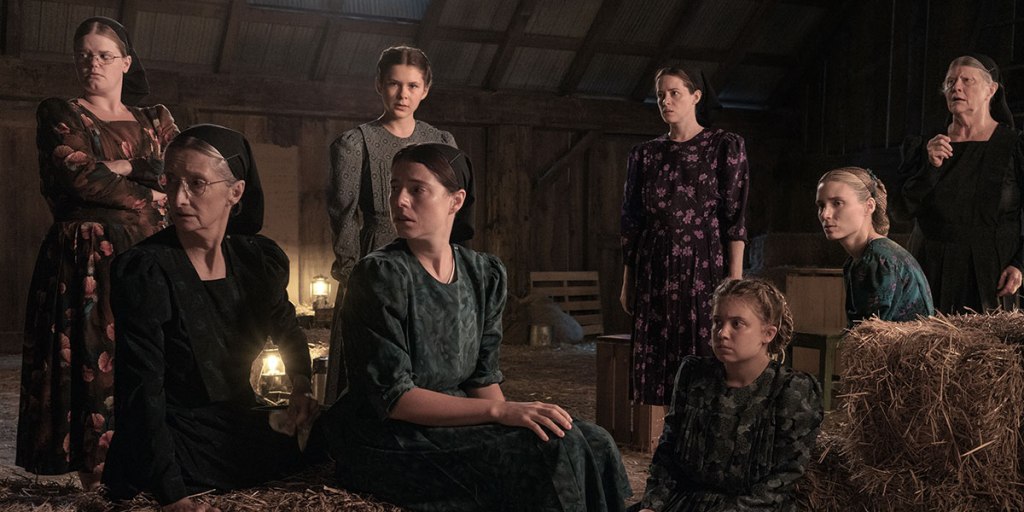
In the end, the women decide to leave. Packing up what little they have, and rallying together with the children, the women set off, in search of a new home, and a new future. It is important that the film solely follows the women’s discussion, and how they have dealt with the violence against them. This decision, to stay or to leave, is left only to them, to decide based on their experience, alone, within the colony. It is the survivors of violence that get to choose their future. The survivors who share their stories, and listen carefully to each other’s experiences, to gain better understanding of each and every one of their personal reactions to what they have gone through, and why they have voted the way they did, either to stay or leave. These women have all experienced similar violence, but each coming with their own personal histories and experiences guiding their responses. Even within their differences and what they have gone through, the women universally empathetic. Empathy for those in the room do not share the same ideas as them, for those who voted differently to them, and some even empathetic towards the violent men themselves. Empathetic the boys who will grow up to become the men of the colony, asking how will they be impacted if they leave the colony, growing up without fathers, but also if they stay. But regardless of this lesson in universal empathy and an understanding of everyone’s own personal stake in their decision, the decision remains theirs, and theirs alone. The decision to stay, or to leave, is directly in the hands of those who faced the violence personally.
The decision they end up making, to leave, is also crucial. So often, women are told it is a testament to their strength to stay. Stay… try to work it out… there is always something you can do… he really didn’t know what he was doing. But there is so. much strength in leaving. Strength in pushing forward, forging a way out of the horrors of the only home you know to ensure a safer future. To leave, despite a own lack of knowledge or understanding of the world outside of the home you have been in forever. Leaving is always not running away. It is not always as simple as leaving to avoiding confrontation, difficult discussions. Leaving is empowering. To take your own future, and the future of your children, into your own hands, and know that the best thing, the safest thing, is to leave. To hear the stories of others, and collectively decide to leave, and find a new life and future in a new, scary world. Together.
Polley’s camera captures these women talking, and we are simply there to listen. To listen to their stories, their histories, their pain. Listening not to respond, or pass judgement on those we do not agree with, but instead to hear their personal experience. Why they want to stay and fight, why they want to leave. To have empathy for everyone, knowing they are on their own journey, guided by their unique personal past, relationships, and beliefs. To hear that there is strength in staying, fighting, demanding an apology. But knowing there is just as much strength in leaving, and in making that decision to leave. Strength in knowing when enough is enough, and creating a new path forward, into the unknown.
Women Talking is now available to watch in movie theatres across Canada.
 After Screening Cinema