

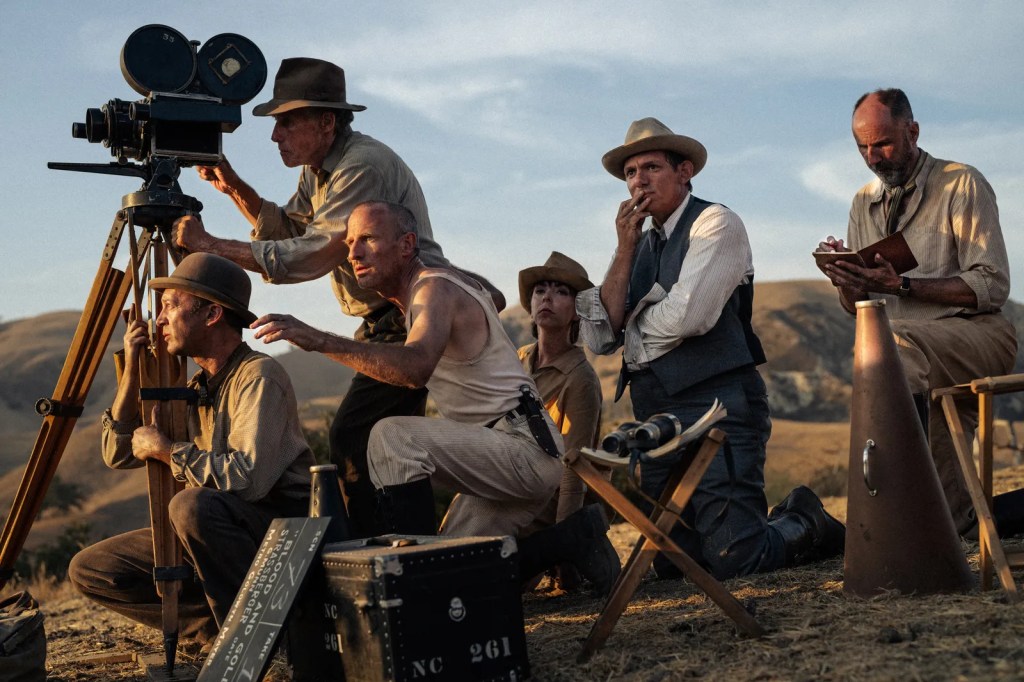
One of my favourite days in December 2022 was a Tuesday spent alone at the movie theatre watching Babylon. And as I admitted in my top films of 2022 post, I loved it. From director Damien Chazelle, the mind who brought us Whiplash (2014), La La Land (2016), and First Man (2018), Babylon tells the story of multiple stars, both up-and-coming and well-established, as they experience the world of cinema and Hollywood in the 1920s, alongside the introduction of the talking picture. There has been a lot of discourse online about the film itself, with many discussions pertaining towards the final 5 minutes of the film. While some have described it as gimmicky or sappy, I can say it worked for me, and had me thinking about it for weeks following.
*From here, this review will contain spoilers about the ending of Babylon (2022).*
Before returning to Hollywood in 1952 for the final scenes of the film, the ending of Babylon is devastating. Most of our stars die young or alone, and with the living fleeing Hollywood, there is not much hope. Had the film ended there, I would have had quite a different experience with its story and themes.
The final segment of the film sees one of our main characters Manny, a Mexican American film assistant turned Hollywood big-wig, return to Hollywood in 1952, with his wife and daughter. Following a visit to his old workplace, Manny enters a movie theatre, where we first hear, and then see that he is watching Singin’ in the Rain. The camera gives us a birds eye view shot of the audience, moving over the heads directed towards the screen, laughing and smiling at the story they are watching. The camera returns to Manny, as we watch scenes from Singin’ in the Rain that reflect all too dearly the lives of many of the characters we have just spent 3 hours, specifically that of the late Nellie LaRoy, Manny’s friend who came to be a star in Hollywood alongside him, and Jack Conrad, another lost Hollywood star. From voice lessons to teach the leads to speak with different accents, discussions on theatre vs. film, and struggles with microphones and technology as sound was introduced to film, all of these scenes in the iconic Singin’ in the Rain now feel much more personal because of our new relationship with Nellie, Manny, and Jack.
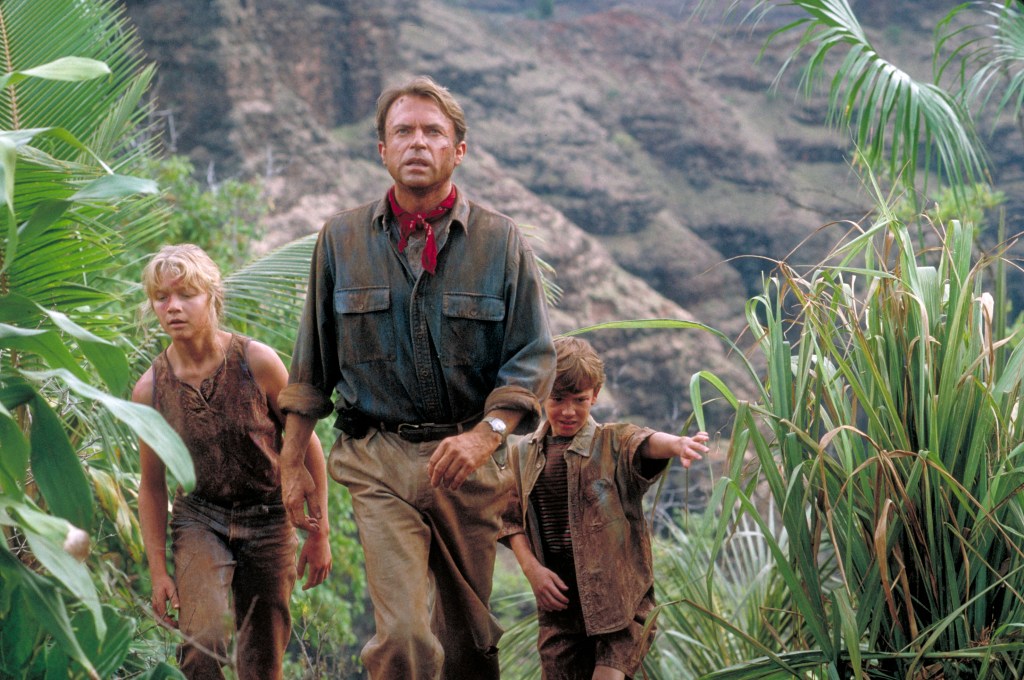
This is followed by the final montage. On-screen, we see a mosaic of some of the greatest film achievements in history. Clips of Sallie Gardner at a Gallop – one of the earliest silent films. A Trip to the Moon – one of the first science fiction films. The Jazz Singer – the notoriously referenced first talking picture. This is followed by clips from countless other films, including Psycho, Pather Panchali, Jurassic Park, Avatar, on a first watch jarring to see, all culminating in flashing images of our main characters and solid colours, before returning to Manny, who smiles as the film ends. (see a complete list of films included in the montage here)


So what does this mean? For some, it carries a hopeful message, that despite all the depravity of Hollywood that we have just watched our characters live through, it is worth it. Art is worth it, and all of this innovation is the result of passion, no matter the toll it takes on those involved. For myself, this ending holds a much different meaning. I don’t think that this ending is hopeful, but rather a cynical reminder of all that goes on behind the scenes of a film, that the audience will never be privy to. We sit in theatres, we laugh, we cry, and then we return home and often never think about the film again. Or if we do, we are passing judgement or assigning a numerical value to the film, despite having no personal stake in the lives of the characters or the film itself. Hollywood is toxic. The path to fame and the life within it itself is brutal, deceptive, disgusting, and far too often life threatening. Chazelle’s ending reminds us of this. The films we have loved, the stars whose legacies will forever live on in these films, the technological innovations that have forever changed the industry can no longer live in the rose coloured world we have created for them. This ending is a reminder that we, the audience, will never truly know the pain and suffering experienced behind all of these beloved cinematic moments and memories. As the camera flies over the audience before this montage, who smile and laugh at Singin’ in the Rain, Manny, and we, cannot help but be reminded of friends like Nellie, Jack, and countless others, who were victims of the vicious toxicity of Hollywood, now exhibited on screen for an audience as a comedic musical of hope and love. The very final shots of the montage being simple flashes of colour further act to remind us we are simply watching a collection of colours and sound. The humans and their experiences that guide these colours and the stories they create on screen are rarely at the forefront of discussions about the films themselves, while we sit still and escape into a world often so detached from the pain we never see that exists behind the scenes.
But the film does not end here. The film does not end with the montage, but rather a final shot of Manny smiling, as he watches Singin’ in the Rain. Does this smile come from nostalgia, as he remembers good times he had with his friends who have passed, despite the toxicity of the industry around them? Is it him acknowledging that regardless of the horrors he and his friends experienced in Hollywood, his dream has come true, and the art is worth all of the pain? Or is it something more? Something different that I, we the audience, will never understand. Something felt solely and exclusively by those who have experienced the very life depicted so beautifully and tragically in the film, the life of those in Hollywood. After all, neither Hollywood, nor cinema as we know it today would exist without each other. So for myself, I am left with a simple appreciation for this film and all those that have come before it, as well as an incapability of watching almost any film in the same way I did before seeing Babylon.
 After Screening Cinema